

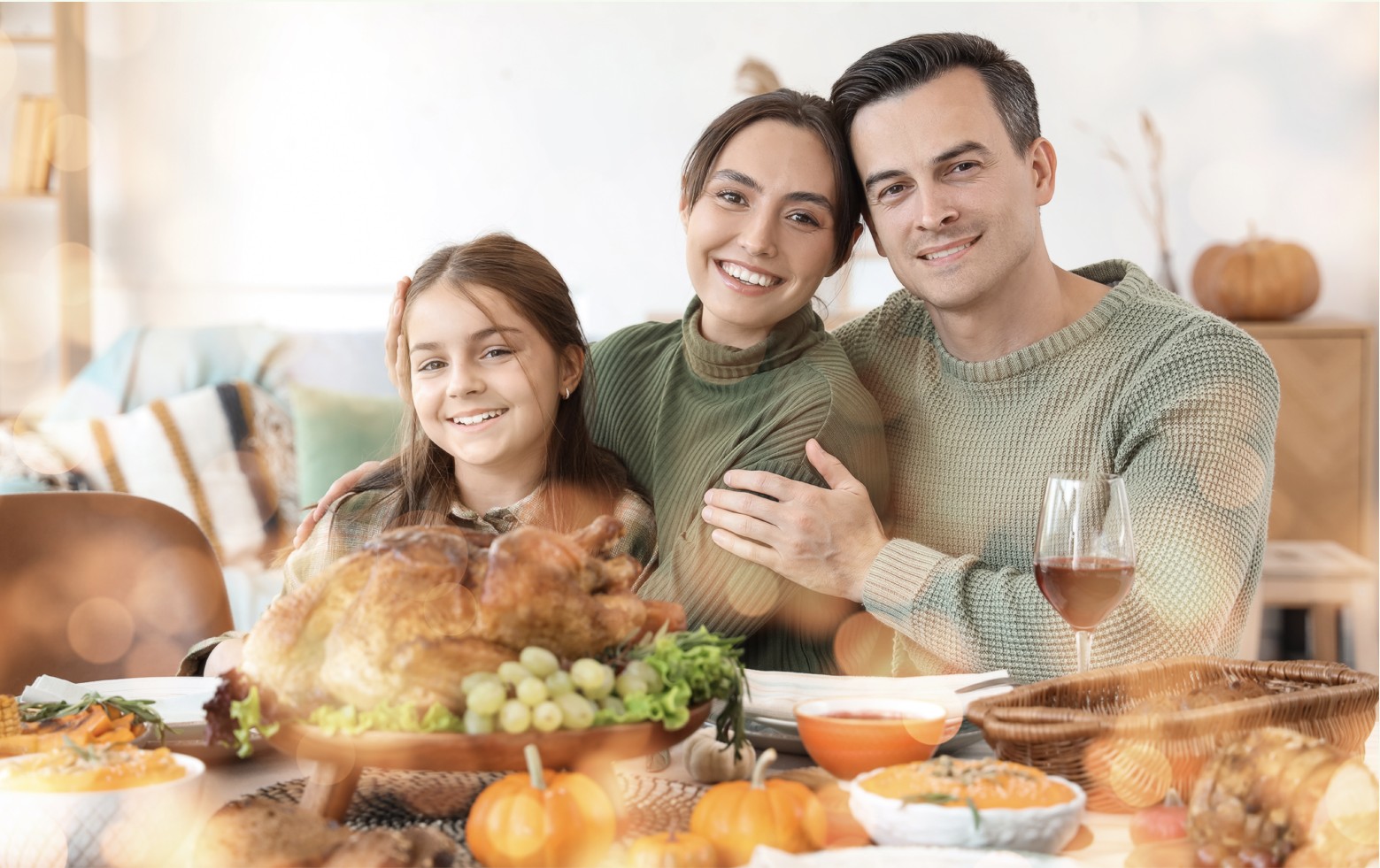
A Healthy Thanksgiving: Helping Kids Enjoy Holiday Foods
November 24, 2026
Thanksgiving is one of the most special times of the year. Families gather around the table, favorite recipes are shared, and children get to enjoy foods that may only make an appearance once or twice a year. From turkey and mashed potatoes to pumpkin pie and homemade rolls, there is something special about sharing a holiday meal together.
As parents, you may wonder how to balance holiday treats with healthy eating habits, especially for younger children or picky eaters. The good news is that enjoying Thanksgiving does not mean you have to compromise your child’s health.
At Alpine Pediatrics, we believe healthy habits are built over time. One holiday meal does not determine your child’s overall health. Instead, Thanksgiving is a wonderful opportunity to introduce new foods, encourage positive eating habits, and create meaningful family memories.
Here are some simple ways to help your children enjoy Thanksgiving while supporting their health and nutrition.
1. Focus on Balance, Not Restriction
Thanksgiving is not the time to worry about making every food choice perfect. Children benefit from a balanced approach to nutrition that includes a variety of foods. When preparing your Thanksgiving menu, try to include a combination of:
- Fruits and vegetables.
- Protein sources such as turkey.
- Whole grains when available.
- Dairy or calcium-rich alternatives.
- Favorite family recipes and holiday treats.
Allowing children to enjoy traditional holiday foods without guilt can help support a positive relationship with eating. Parents can encourage healthy habits by offering a variety of nutritious foods while allowing children to recognize their own hunger and fullness cues. The American Academy of Pediatrics (AAP) encourages parents to create balanced, enjoyable meals while avoiding unnecessary pressure around what or how much children eat (American Academy of Pediatrics [AAP], n.d.-a).
Remember, healthy eating is about the patterns children develop over time, not whether every meal is perfectly balanced.
2. Encourage Picky Eaters to Try New Foods Without Pressure
Thanksgiving may introduce children to foods they do not eat regularly. Some children are excited to try everything, while others prefer familiar favorites.
Both responses are normal!
If your child is a picky eater, try offering a small portion of a new food alongside something they already enjoy. Avoid forcing them to take a bite or finish everything on their plate.
The AAP recommends making holiday meals enjoyable for picky eaters by including familiar foods, inviting children to participate in meal preparation, and keeping mealtime pressure low (AAP, n.d.-a).
Here are a few ways to encourage children to explore new foods:
- Let children help prepare a simple side dish.
- Allow them to choose a vegetable or fruit to include in the meal.
- Offer small tastes of unfamiliar foods.
- Talk about the colors, textures, and flavors of different foods.
- Keep at least one familiar food available.
It can take repeated exposure before a child becomes comfortable with a new food. Be patient and remember that the goal is to create positive experiences with food, not a battle at the dinner table.
3. Keep Regular Meal and Snack Routines
With holiday gatherings and busy schedules, it can be tempting to skip meals to save room for Thanksgiving dinner. However, children still need regular opportunities to eat throughout the day.
Skipping meals may leave children overly hungry and make it harder for them to recognize their natural fullness cues.
Try maintaining your child’s usual breakfast and lunch routines, even on Thanksgiving Day. If dinner is later than normal, offer a nutritious snack to help keep everyone comfortable.
Some simple snack options include:
- Apple slices with an appropriate nut or seed butter for your child’s age and allergy needs.
- Yogurt.
- Cheese and whole-grain crackers.
- Fresh fruit.
- Vegetables with hummus.
Maintaining a consistent routine can help children feel their best while still leaving plenty of room to enjoy the holiday meal.
4. Be Mindful of Food Allergies and Choking Hazards
Holiday meals often include ingredients that may be unfamiliar to children or hidden in family recipes. If your child has a food allergy, communicate with family members about ingredients and take precautions to prevent cross-contact during food preparation and serving.
Young children also need special attention when it comes to choking hazards.
Foods such as whole nuts, popcorn, whole grapes, hard candies, and large pieces of meat can pose choking risks, particularly for young children.
To help keep little ones safe:
- Cut round foods, such as grapes, into small, lengthwise pieces appropriate for your child’s developmental stage.
- Avoid serving whole nuts and other hard foods to young children.
- Cut meat into small, manageable pieces.
- Have children sit upright while eating.
- Supervise young children during meals and snacks.
- Avoid letting children run, play, or lie down while eating.
The Centers for Disease Control and Prevention (CDC, n.d.) provides guidance on identifying choking hazards and preparing foods in age-appropriate ways. If you are unsure whether a particular food is safe for your child’s age or developmental stage, ask your pediatric provider.
5. Practice Thanksgiving Food Safety
Thanksgiving often involves large meals, multiple dishes, and hours of food preparation. Keeping food safe is especially important when cooking for young children.
A few important food safety reminders include:
- Wash your hands before preparing and serving food.
- Keep raw meat and poultry separate from ready-to-eat foods.
- Use a food thermometer to ensure turkey reaches an internal temperature of 165°F.
- Refrigerate perishable leftovers within two hours.
- Store leftovers in shallow containers so they cool quickly.
- Reheat leftovers to 165°F before serving.
The USDA recommends using a food thermometer rather than relying on the color or appearance of meat to determine whether it is fully cooked (U.S. Department of Agriculture, Food Safety and Inspection Service [USDA FSIS], n.d.).
The American Academy of Pediatrics also recommends promptly refrigerating holiday leftovers and keeping young children away from unsafe foods and potential hazards during cleanup (AAP, n.d.-b).
Following these simple steps can help reduce the risk of foodborne illness and keep your family’s holiday celebration safe.
6. Make Food Part of the Fun, Not the Focus
One of the most important things parents can do is to take the pressure off the meal itself. Thanksgiving is about spending time together, sharing traditions, and creating memories. Invite your children to help set the table, prepare a family recipe, decorate place cards, or participate in a gratitude activity.
You can also encourage children to listen to their bodies by recognizing when they are hungry or comfortably full. Avoid using food as a reward or making children feel guilty about enjoying dessert.
Creating a positive mealtime environment helps children develop healthy attitudes toward food that can continue well beyond the holiday season.
A Healthy Thanksgiving Starts With Happy Memories
At Alpine Pediatrics, we encourage families to approach holiday nutrition with balance, flexibility, and kindness. Children do not need a perfect plate at Thanksgiving. They need consistent healthy habits, positive experiences with food, and opportunities to enjoy meals with the people they love.
If you have questions about your child’s nutrition, growth, picky eating, or food allergies, your pediatric care team is a great resource.
From all of us at Alpine Pediatrics, we wish your family a happy, healthy, and wonderful Thanksgiving!
References
American Academy of Pediatrics. (n.d.-a). How to plan a balanced Thanksgiving meal for picky eaters. HealthyChildren.org. Article Here
American Academy of Pediatrics. (n.d.-b). Holiday food safety tips for families. HealthyChildren.org. Article Here
Centers for Disease Control and Prevention. (n.d.). Choking hazards. Article Here
U.S. Department of Agriculture, Food Safety and Inspection Service. (n.d.). Turkey: Safe cooking and preparation. Article Here